
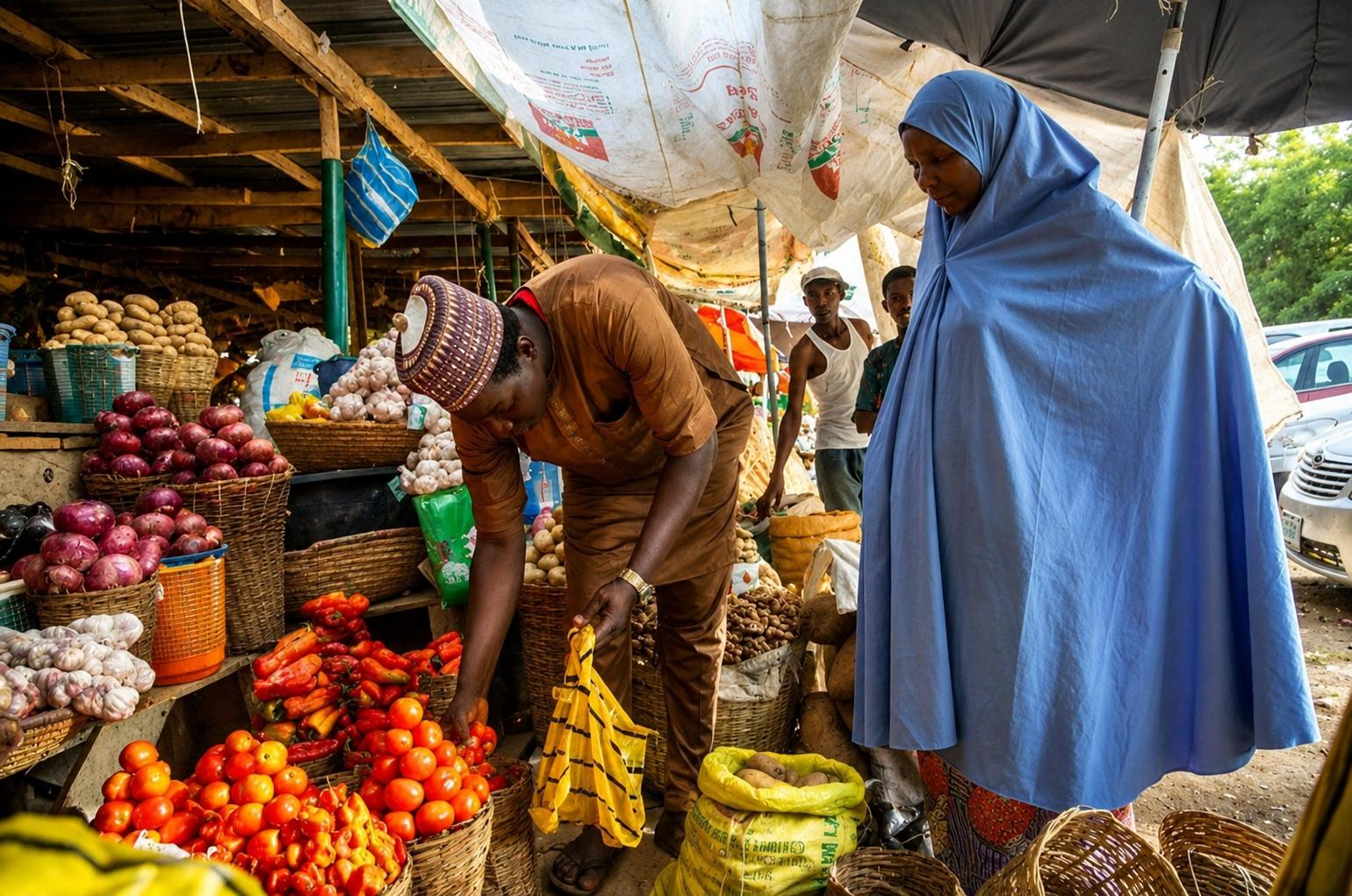
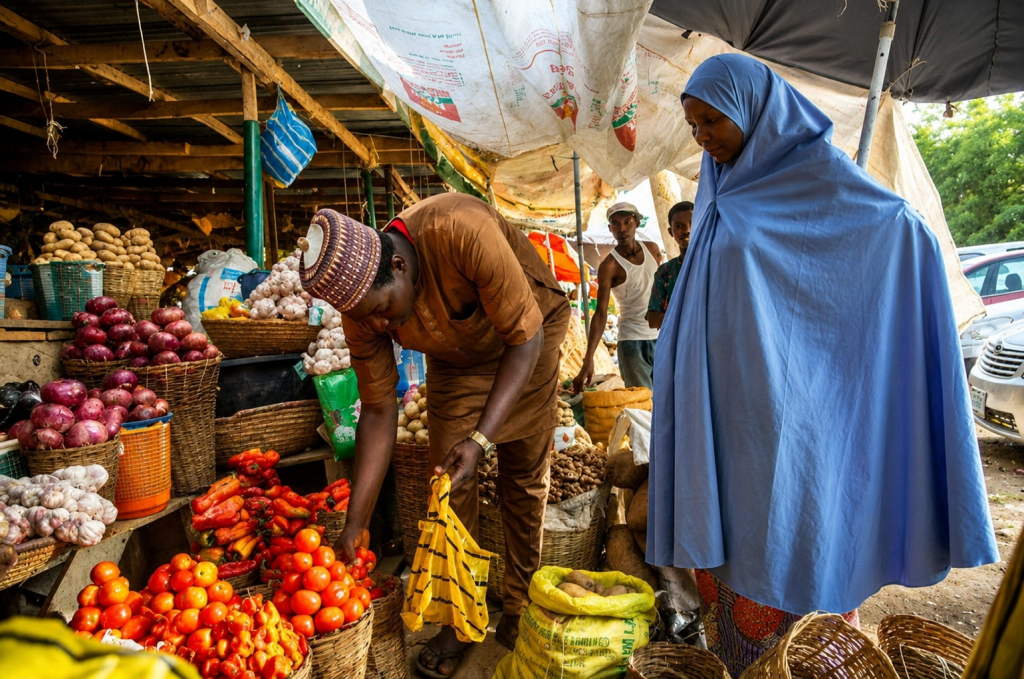
Across Nigeria in 2026, the idea of a “balanced diet” is slowly becoming a privilege reserved for fewer households. What was once a basic expectation . Like rice, beans, vegetables, fish, eggs, and fruits on the family table, is now a difficult calculation of survival, not nutrition. For millions of families, eating has shifted from “what is healthy?” to “what is affordable today?”
Recent global and national reports confirm that Nigeria is facing one of the worst food insecurity crises in the world, with tens of millions unable to access nutritious meals consistently.
According to the World Food Programme (WFP), nearly 35 million Nigerians are projected to face acute food insecurity during the 2026 lean season, a record level driven by conflict, inflation, displacement, and rising food costs.
The Northeast: Epicentre of Hunger and Malnutrition
Nowhere is the crisis more severe than in Borno, Yobe, and Adamawa States in the Northeast.
Northwest Nigeria: Rising Hunger from Insecurity and Poverty
States such as Zamfara, Sokoto, Katsina, and parts of Kaduna are also deeply affected.
Here, the crisis is driven by:
- Banditry and rural insecurity preventing farming activities
- Displacement of farming communities
• High food transportation costs
- • Weak rural incomes
Recent assessments show that hundreds of thousands of internally displaced persons (IDPs) in these states are struggling to access consistent meals.
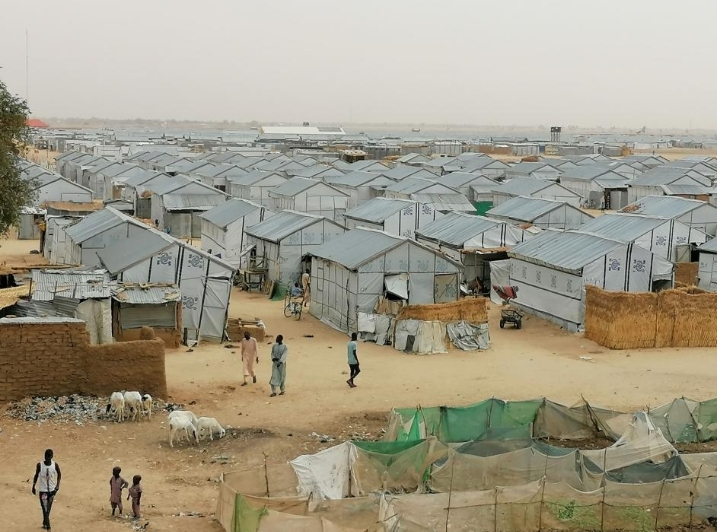
Families in these areas often rely heavily on carbohydrates, with little or no protein intake- signaling a clear breakdown of dietary balance.
This region has become the face of Nigeria’s hunger emergency:
• Nearly 5.8 million people face severe food insecurity in the Northeast alone .
• Thousands are at risk of catastrophic hunger conditions in Borno State
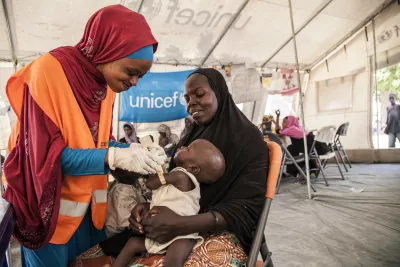
- Children and women are the most affected, with rising malnutrition cases reported in displacement camps and rural communities
Years of insurgency, displacement, and disrupted farming have destroyed livelihoods.
Many families survive on food aid or irregular income, making balanced diets nearly impossible.
In these communities, meals are often reduced to staples like garri, maize, or rice-without proteins, fruits, or vegetables.
Urban Nigeria: Hunger Hidden in Plain Sight
Even in cities like Lagos, Abuja, Kano, and Port Harcourt, the crisis is visible but often less discussed.
Urban families are not displaced by conflict, but they are squeezed by:
• Rising food inflation
• Transport and fuel costs

A large share of household income is now spent on food, forcing families to:
•Skip meals
•Reduce portion sizes
•Remove protein (eggs, meat, fish) from diets
•Rely on cheap processed foods
Food price increases mean that even middle-income earners are adjusting diets downward, not upward.
The Nutrition Breakdown: When Diets Lose Balance
Experts warn that Nigeria is undergoing a “nutrition transition,” where traditional balanced diets are being replaced by:
•High-carbohydrate meals (rice, yam, garri)
•Fewer vegetables and fruits
•Reduced animal protein consumption
•Increased reliance on cheap processed foods
This shift is dangerous because it creates what nutritionists call a “hidden hunger crisis ” people may eat enough to survive but not enough to stay healthy.
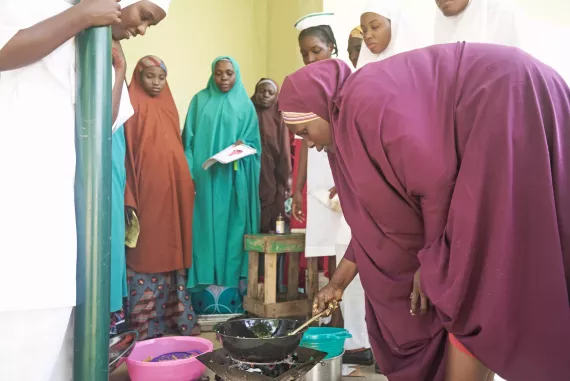
UNICEF has repeatedly warned that Nigeria still records one of the highest rates of child malnutrition globally, with millions of children lacking adequate nutrition.
Why Balanced Diets Are Becoming Unaffordable
Several forces are working together:
1. Inflation and food price instability
Food prices remain significantly higher than previous years, making protein-rich foods increasingly unaffordabl
2 . Insecurity in farming regions
Conflict and banditry reduce agricultural production and disrupt food supply chains.
3. Weak purchasing power
Many households spend most of their income on food, transport, and housing, leaving little for nutrition diversity.
4 Rising transport and fuel costs
Moving food from farms to cities adds extra cost that consumers eventually bear.
A National Crisis, Not Just a Household Problem
With over 34- 35 million Nigerians facing food insecurity in 2026, the issue is no longer individual- it is structural.
The inability to afford a balanced diet now affects:
• Child development and school performance
• Workforce productivity
• Health outcomes in rural and urban areas
• Long-term national economic growth
In Nigeria today, the question is no longer whether families understand the importance of a balanced diet. The real question is whether they can afford it.
From conflict-affected communities in the Northeast to low-income urban neighborhoods in Lagos and Abuja, millions are forced to choose survival over nutrition.
Until food prices stabilize, incomes improve, and insecurity is addressed, the “balanced diet” will remain, for many Nigerians, an ideal that exists only on paper.

Experienced broadcast journalist with over 5 years of experience in reporting, multimedia editing, and storytelling across both traditional and digital media. I currently work with Vision FM 92.1 and Daily Frontier, where I report on security, conflict, and humanitarian issues, while also translating news into Hausa and Pidgin to reach wider audiences.
I also serve as a correspondent for Daily Frontier in Plateau and Benue States, Nigeria, covering security, conflict, and humanitarian developments in the region.
I hold a Diploma in Mass Communication from Adamawa State Polytechnic and a Bachelor’s degree in Mass Communication from the National Open University of Nigeria.

