
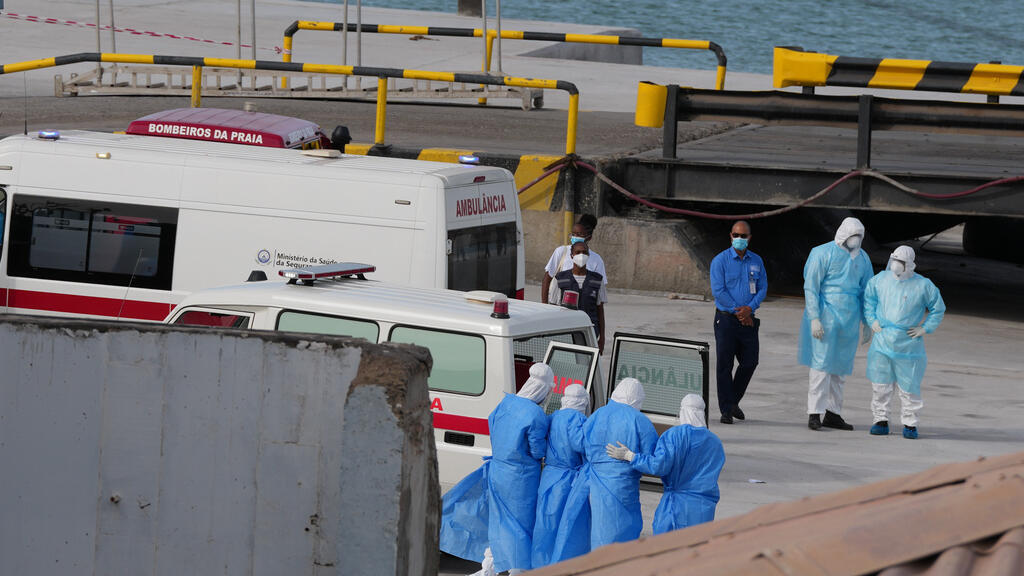
Speaking during a press briefing in Geneva on Friday, May 8, WHO spokesperson Christian Lindmeier said the virus only spreads through extremely close contact. “This is a dangerous virus, but only to the person who’s really infected, and the risk to the general population remains absolutely low,” Lindmeier said. He noted that even individuals who stayed in the same cabins aboard the ship had not necessarily become infected.
The WHO had earlier warned that additional cases could still emerge because the Andes strain of hantavirus involved in the outbreak can incubate for up to six weeks and is capable of limited human to human transmission.
According to WHO Director General Tedros Adhanom Ghebreyesus, five confirmed cases and three suspected infections have so far been identified, including three deaths. “Given the incubation period of the Andes virus, which can be up to six weeks, it’s possible that more cases may be reported,” Tedros said.
The outbreak triggered international concern after several passengers aboard the Hondius became ill during a trans Atlantic voyage. However, health officials have stressed that the virus is significantly less contagious than COVID 19.

Experienced broadcast journalist with over 5 years of experience in reporting, multimedia editing, and storytelling across both traditional and digital media. I currently work with Vision FM 92.1 and Daily Frontier, where I report on security, conflict, and humanitarian issues, while also translating news into Hausa and Pidgin to reach wider audiences.
I also serve as a correspondent for Daily Frontier in Plateau and Benue States, Nigeria, covering security, conflict, and humanitarian developments in the region.
I hold a Diploma in Mass Communication from Adamawa State Polytechnic and a Bachelor’s degree in Mass Communication from the National Open University of Nigeria.

