
As kidnapping incidents continue to affect communities across the country, attention is increasingly being drawn to the lasting impact the crime has on survivors beyond their eventual release.
While the safe return of victims is often celebrated, reports and testimonies from survivors have highlighted the severe physical, emotional, and psychological ordeals many endure while in captivity. Some victims have recounted experiences of sexual violence, torture, humiliation, and other forms of abuse allegedly inflicted by their captors.
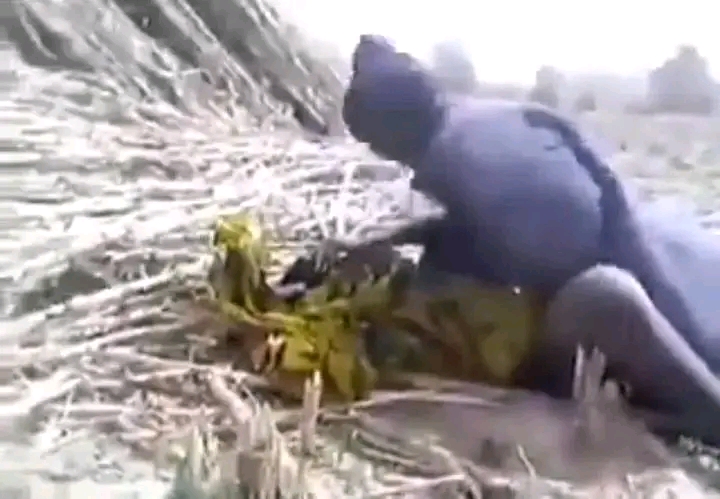
In several documented cases, disturbing images and videos reportedly recorded during captivity have surfaced, further exposing the harsh realities faced by victims behind closed doors.
Experts and advocates note that for many survivors, particularly women, the consequences extend far beyond physical injuries. Many struggle with trauma, anxiety, depression, fear, and social stigma, making it difficult to openly discuss their experiences or fully reintegrate into society.
Observers argue that kidnapping should not be viewed solely as a ransom-related crime, but as a serious violation of human dignity that can leave lifelong scars on victims and their families.
Stakeholders are calling for greater support systems for survivors, including access to psychological care, social reintegration programmes, and legal protection. There are also growing calls for stricter penalties against perpetrators, particularly in cases involving abuse and violence against victims during captivity.
The discussion has raised broader questions about whether sufficient attention is being paid to the long-term recovery of kidnapping survivors and what more communities and authorities can do to support them after their release.
Experienced broadcast journalist with over 5 years of experience in reporting, multimedia editing, and storytelling across both traditional and digital media. I currently work with Vision FM 92.1 and Daily Frontier, where I report on security, conflict, and humanitarian issues, while also translating news into Hausa and Pidgin to reach wider audiences.
I also serve as a correspondent for Daily Frontier in Plateau and Benue States, Nigeria, covering security, conflict, and humanitarian developments in the region.
I hold a Diploma in Mass Communication from Adamawa State Polytechnic and a Bachelor’s degree in Mass Communication from the National Open University of Nigeria.

