
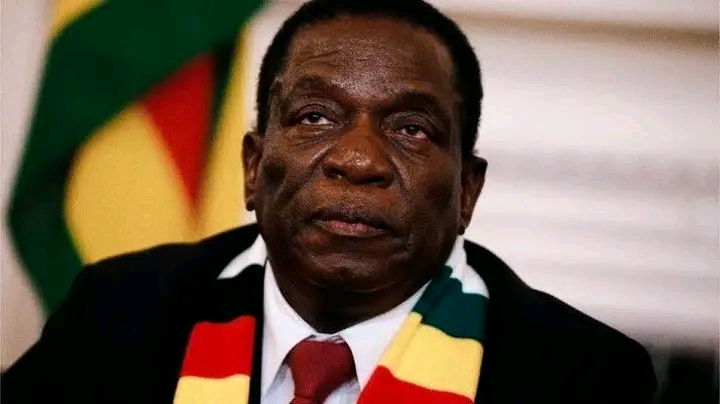
Zimbabwean President has signed into law a constitutional amendment that extends his stay in office until 2030 and introduces sweeping changes to the country’s electoral system.
Under the newly enacted Constitutional Amendment Act, Zimbabwe will no longer conduct direct presidential elections. Instead, future presidents will be chosen by Parliament, marking a significant shift from the country’s previous democratic process where citizens elected the president through a nationwide vote.
The amendment effectively prolongs President Mnangagwa’s tenure by two years beyond the end of his current term and restructures the method of selecting future heads of state.
The development has sparked debate among political observers and opposition groups, who argue that the changes could have far-reaching implications for Zimbabwe’s democratic governance and electoral transparency.
The government, however, maintains that the constitutional changes are aimed at strengthening the country’s governance framework and ensuring political stability.
The new law takes immediate effect following President Mnangagwa’s assent, making it one of the most significant constitutional reforms in Zimbabwe in recent years.

The Daily Frontier Editorial Board is committed to delivering credible, balanced, and timely journalism that informs, educates, and empowers the public. Made up of experienced editors, reporters, and media professionals, the board oversees the platform’s editorial direction, ensuring accuracy, fairness, and professionalism in all published content across politics, security, business, entertainment, and public affairs.

