

After months under a near-total internet blackout during the Middle East war, Iranian tech worker Amir-Hassan was finally able to get back online, but only through a privileged service that has sparked public criticism.
Millions like the 39-year-old have been unable to access the internet since the United States and Israel attacked Iran on February 28, punishing the pockets of online entrepreneurs and workers.
But he did not hesitate when a message offered him the chance to get back online by purchasing the so-called “Pro Internet” system, designed for certain professionals and business owners.
“It was out of necessity. I was forced to get internet so I could ensure the flow of my income,” he told AFP, adding that he paid around $11 for an initial 50-gigabyte package.
By April 5, internet monitor NetBlocks estimated that the blackout since the war broke out was “the longest nation-scale internet shutdown on record in any country”.
It has left most in the dark online except for some limited local websites, banking services and state-approved applications.
The web was already heavily restricted at the height of anti-government protests in January, but when war broke out the internet became another tool of control for Iran’s hardline government.
Critics are accusing authorities of creating a tiered system in which broader connectivity is reserved for select groups.
“This model of categorising and classifying the internet in Iran is not a good model… it is clearly meant to generate money,” said Amir-Hassan.
Users have to pay more for additional internet usage at higher-than-normal prices, he added.
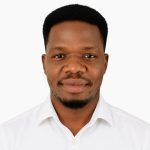
Experienced broadcast journalist with over 5 years of experience in reporting, multimedia editing, and storytelling across both traditional and digital media. I currently work with Vision FM 92.1 and Daily Frontier, where I report on security, conflict, and humanitarian issues, while also translating news into Hausa and Pidgin to reach wider audiences.
I also serve as a correspondent for Daily Frontier in Plateau and Benue States, Nigeria, covering security, conflict, and humanitarian developments in the region.
I hold a Diploma in Mass Communication from Adamawa State Polytechnic and a Bachelor’s degree in Mass Communication from the National Open University of Nigeria.

