
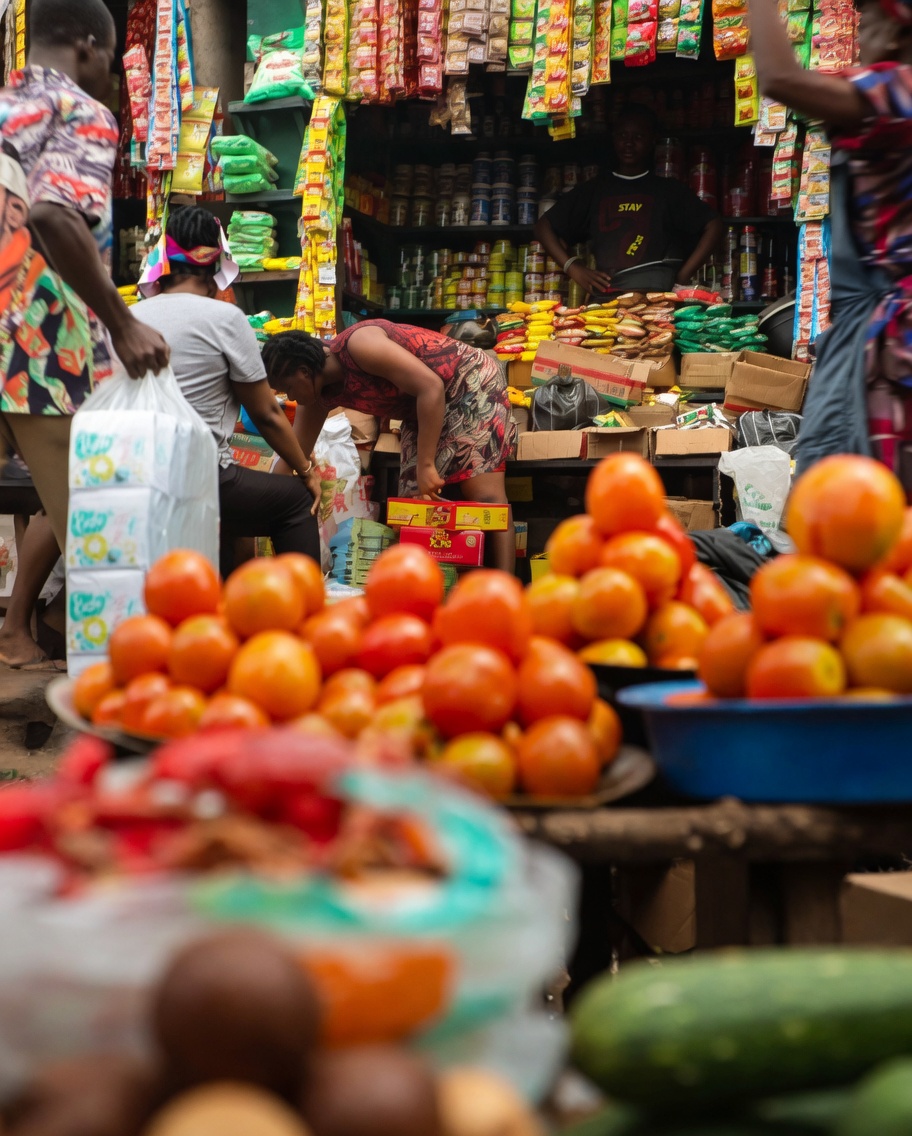
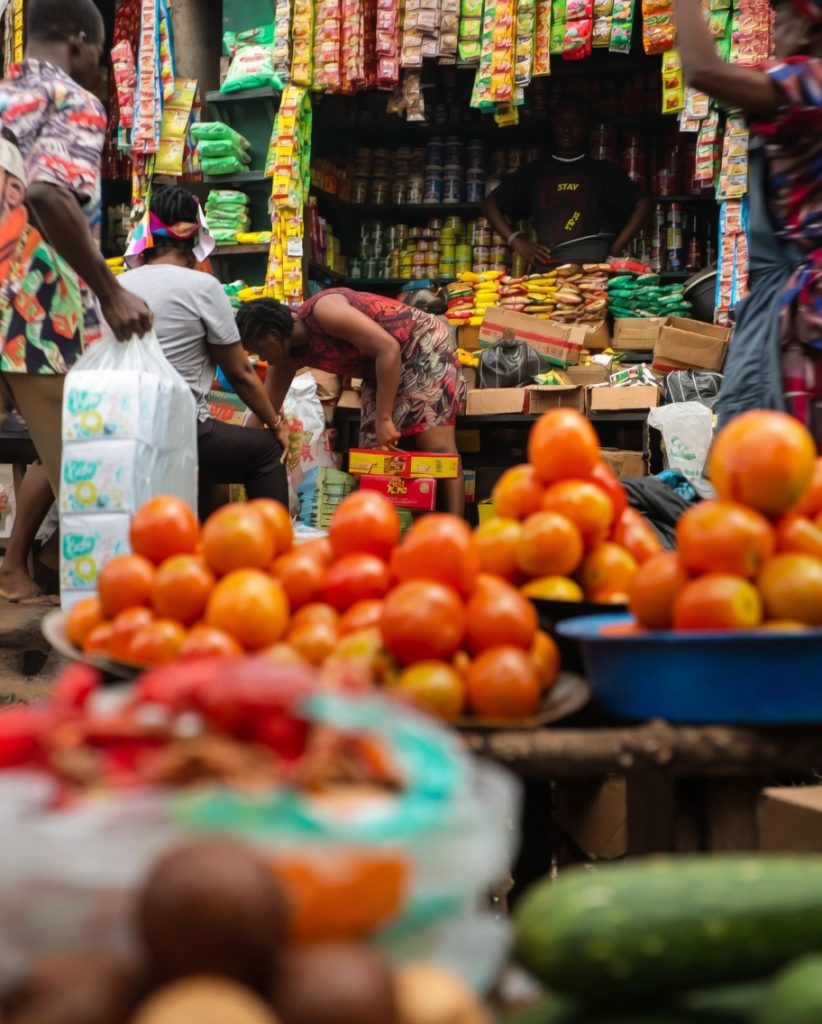
Nigeria’s inflation rate has recorded another increase, rising to 15.69 percent in April 2026, according to the latest Consumer Price Index (CPI) report released by the National Bureau of Statistics.
This represents a slight uptick from 15.38 percent in March 2026, indicating that the general cost of goods and services in the country continues to move upward despite recent economic interventions.
What the report shows
The CPI report measures changes in the average prices of goods and services consumed by households. In practical terms, the latest figures suggest that Nigerians are still experiencing rising living costs across key areas such as:
Food and non-alcoholic beverages
Transportation
Housing, electricity, and fuel
Health and education services
The consistent rise points to ongoing inflationary pressure in Nigeria’s economy.
Why it matters
A rising inflation rate generally means that purchasing power is weakening – households may need more money to buy the same quantity of goods they previously purchased at lower prices. This often affects low- and middle-income earners most, as a larger portion of their income goes toward essential needs like food and transport.
Economists typically link inflation trends in Nigeria to several structural factors, including:
Exchange rate pressure affect import cost
High transportation and energy costs
Supply chain constraints in food production and distribution
General cost adjustments across markets
Broader economic outlook
While the increase from March to April is relatively modest, it reinforces concerns that inflationary pressure has not yet fully stabilized. The direction of future rates will depend on how monetary policies, fuel pricing, exchange rate stability, and food supply conditions evolve in the coming months.
For now, the latest data from the National Bureau of Statistics signals that inflation remains a key economic challenge for households and policymakers in Nigeria.
The Daily Frontier Editorial Board is committed to delivering credible, balanced, and timely journalism that informs, educates, and empowers the public. Made up of experienced editors, reporters, and media professionals, the board oversees the platform’s editorial direction, ensuring accuracy, fairness, and professionalism in all published content across politics, security, business, entertainment, and public affairs.

